Organic-First, Paid-Second: Why the Order Matters More Than the Budget

Most brands run social media backwards. They decide social matters, set a budget, and the first thing they do with it is spend on ads. It feels like action. It feels like the fast track. And it is one of the most reliable ways to waste money on social media that exists.

At Monarch, we run everything organic-first, paid-second. Not as a budget preference, and not because we are precious about organic. Because the order is the strategy. Get it right and paid becomes a multiplier. Get it wrong and paid becomes an expensive way to find out what you should have learned for free. Here is the thinking, and why we would defend it in almost every case.

The Expensive Mistake: Paid Before Proof

When a brand leads with paid, here is what actually happens. You take content nobody has validated, put money behind it, and ask an algorithm to show it to more people. If the content works, you got lucky. If it does not, you just paid to broadcast something that was never going to land, and you have a dashboard full of spend to show for it.

Paid social does not create resonance. It amplifies whatever you point it at. Point it at content your audience genuinely wants and it pours fuel on a fire. Point it at content that does not connect and it pours fuel on wet wood. The ads are not the problem in that scenario. The problem is that you never found out what your audience actually responds to before you started paying to distribute it.

This is the core of it: paid cannot fix weak content. It can only make more people see it. Brands that lead with paid are usually trying to buy their way past the hard, unglamorous work of figuring out what to say. That work does not go away. You just end up paying for it twice.
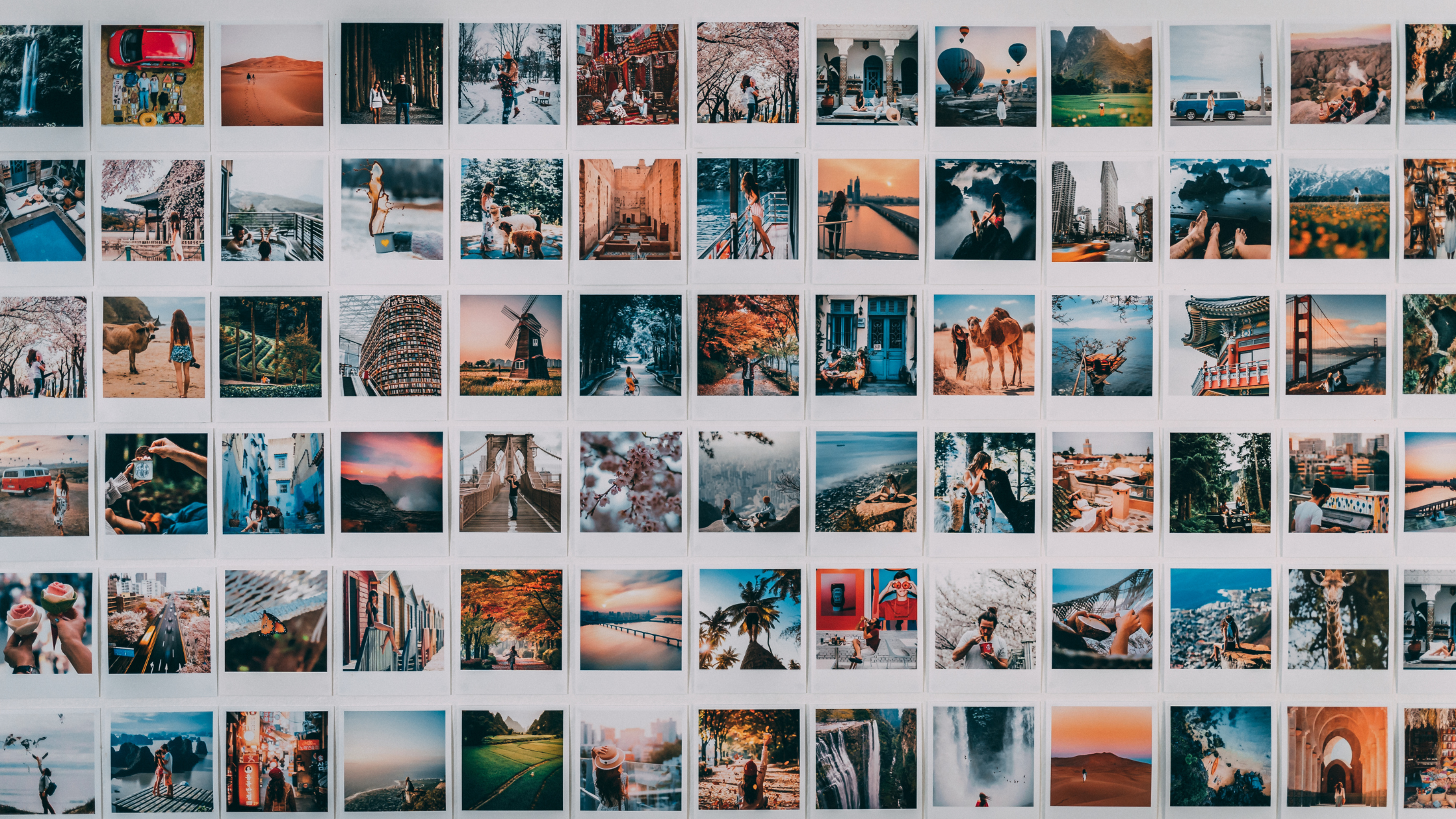
Grid wall of colorful travel photos representing a broad mix of organic social media content

What Organic Proves Before You Spend A Dollar

Organic content is the cheapest, most honest research you will ever run. Every post is a small test. The audience tells you, with their attention, what they care about, what they scroll past, what they share, and what makes them follow. Nobody is being paid to look. The response is real.

Run organic first and within a few months you know things that no amount of ad spend would have told you cleanly. You know which content formats land. You know which messages resonate and which fall flat. You know what your specific niche responds to, because you have watched them respond. That is a body of proof, and it is the foundation everything else should be built on.

There is a second thing organic builds that paid never will: an audience you actually own. Ad reach evaporates the moment you stop paying. An engaged organic following is an asset that stays with you, compounds over time, and keeps working whether or not there is budget behind it this month. When you lead with organic, you are building equity. When you lead with paid, you are renting attention.

So before a single dollar goes to ads, organic has already answered the two questions that determine whether paid will work at all: what resonates, and with whom. Now you are not guessing. You are scaling something you already know works.

Marketer at a laptop with data charts and analytics graphics overlaid, reviewing social media ROI

When Paid Becomes Worth It

None of this means paid is bad. Paid is powerful, at the right moment, pointed at the right thing. In our approach, that moment arrives in a few specific situations.

When organic has proven what resonates. Once you have content and messaging that consistently perform organically, paid stops being a gamble and becomes a lever. You are amplifying a known winner, not testing an unknown. This is the highest-return use of ad spend there is, and it is only available to brands who did the organic work first.

When you are ready to scale a proven winner. A piece of content that overperforms organically is a signal. Putting spend behind something your audience has already validated is how you take a local win and make it a much larger one, fast.

When you genuinely need speed or reach. Sometimes the timeline does not allow for organic to compound on its own, a launch, an event, a moment you have to capture. Paid is the right tool for compressing time. But even then, it works best pointed at content and messaging that organic has already shown will land. Speed is not an excuse to skip proof. It is a reason to have gotten the proof earlier.

The pattern in all three is the same. Paid amplifies. It does not originate. Its job is to scale what organic has already proven, and it is exceptional at that job when you use it in that order.

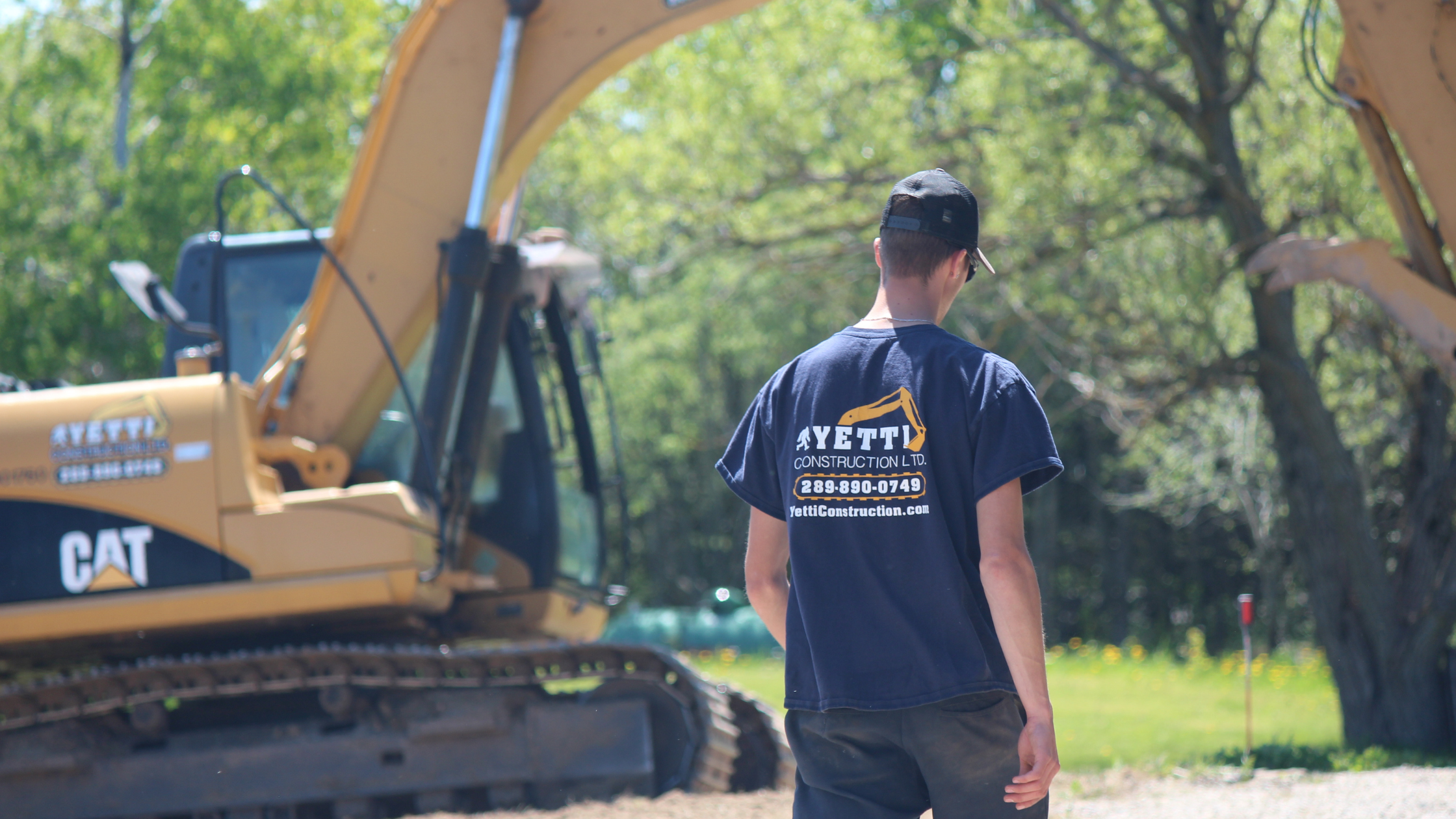
Yetti Construction employee in a branded t-shirt standing near a CAT excavator on a job site

The Proof: How This Played Out For Yetti

This is not theory for us. It is how we grew Yetti Construction’s Instagram following by nearly 2,000% over roughly five years.

The breakout did not come from ad spend. It came from organic content that understood the niche. We treated excavation and the trades as a community with its own culture, tested relentlessly through organic posts what that community actually wanted to see, and leaned into the trends and personality that kept proving out. When a single organic reel pulled over half a million views and drove more than a thousand organic followers in one month, that was not luck and it was not bought. It was the payoff of an organic-first approach that had spent years learning exactly what resonated.

Paid ran in the background of that account. But the growth, the real, compounding, audience-you-own growth, was earned organically first. That is the whole argument, demonstrated on a real business over a real timeframe.

Laptop screen displaying the Monarch Social Media butterfly logo on a desk

The Bottom Line

The order is not a detail. It is the difference between spending on social and investing in it.

Lead with organic, and paid becomes a multiplier on proven content and a real audience you own. Lead with paid, and you are gambling budget on content nobody has validated, renting reach that vanishes the moment you stop paying. Same tools, same budget, completely different outcome, decided almost entirely by which one you put first.

If you are pouring money into ads and not seeing the return, the problem may not be your ad strategy at all. It may be that there was never any organic proof underneath it. That is worth a conversation. Book a discovery call, and we will take an honest look at whether your social is built in the right order. If you are earlier in the journey and still deciding whether you need a partner for this at all, start with why growing brands hire a social media agency.

Your Questions Answered

Should I focus on organic or paid social media first?

Organic first, in almost every case. Organic content proves what your audience actually responds to before you spend anything, and it builds an audience you own rather than reach you rent. Once organic has shown what resonates, paid becomes a powerful multiplier. Leading with paid means gambling budget on content nobody has validated yet.

Why is organic social media important if paid ads reach more people?

Because paid amplifies whatever you point it at, it does not create resonance. Organic tells you what actually connects with your audience, cheaply and honestly, since nobody is paid to look. It also builds a following that stays and compounds, while paid reach disappears the moment you stop spending. Organic is the proof and the asset paid depends on.

When should a brand start running paid social ads?

Once organic has proven what content and messaging resonate, when you are ready to scale something that is already working, or when you genuinely need speed or reach for a launch or event. In every case, paid works best pointed at content organic has already validated, rather than at untested material.

Can paid ads fix poor social media results?

Usually not on their own. Paid makes more people see your content, but it cannot make weak content resonate. If results are poor because the content does not connect, spending on ads just distributes that problem more widely. The fix is figuring out what your audience responds to organically first, then amplifying it.

What does "organic-first, paid-second" actually mean?

It is the principle of using organic content to learn what genuinely resonates with your audience and to build an owned following, before putting any budget behind ads. Paid then amplifies proven winners rather than testing unknowns. The order matters more than the size of the budget, because it decides whether your spend scales something real or gambles on something unproven.

What to Look for in a Social Media Agency: A Buyer’s Checklist

What to Look for in a Social Media Agency: A Buyer’s Checklist

Most brands choose a social media agency the wrong way. They look at the portfolio, they like the vibe on the call, the pricing seems fair, and they sign. Six months later they are frustrated, and they cannot quite say why, because they never defined what good looked...

How to Switch Social Media Agencies Without Losing Momentum

How to Switch Social Media Agencies Without Losing Momentum

Before you switch agencies, you need to answer one question honestly: is the problem the agency, or is it social itself? It is an easy thing to get wrong when you are frustrated. Results are flat, the reports feel hollow, and the obvious conclusion is that you hired...

Ready to speak with a social media marketing expert?

Call Now Button