Why Social Media Is Your First Impression, Not Your Website Anymore

The Way People Discover Businesses Has Changed

For a long time, businesses believed their website was their first impression. If someone heard about you, the assumption was simple: they would search your name, land on your homepage, and take the time to understand what you do before deciding whether to reach out.

That is no longer how people behave online.

Today, when someone discovers a business, they are far more likely to go straight to its social media. They want to see what the brand looks like in real time. They want to understand how active it is, how it communicates, whether people engage with it, and whether it feels current.

This shift is not just anecdotal. DataReportal’s Digital 2025 report highlights how social media has become a primary channel for brand discovery, with users increasingly relying on platforms like Instagram, TikTok, and LinkedIn to evaluate businesses before ever visiting a website.

What matters now is not just where people go first, but how quickly they make a decision once they get there.


Social Media Has Become Your Real-Time Portfolio

When someone lands on your profile, they are not reading carefully. They are scanning.

Within seconds, they are taking in visual cues, recent activity, tone, consistency, and signs of trust. They are not consciously making a checklist, but they are forming an impression all the same. Does this feel active? Does this feel legitimate? Does this feel like a business that is established and trustworthy?

This is what turns social media into something much more powerful than a content channel. It becomes your real-time portfolio.

A website still has value, but it is static by nature. It presents a polished, controlled version of your business. Social media shows movement. It allows people to see what your business looks like today, not what it said about itself months ago.

That difference matters.

Because when there is a gap between what a business says and what it shows, people trust what they see.

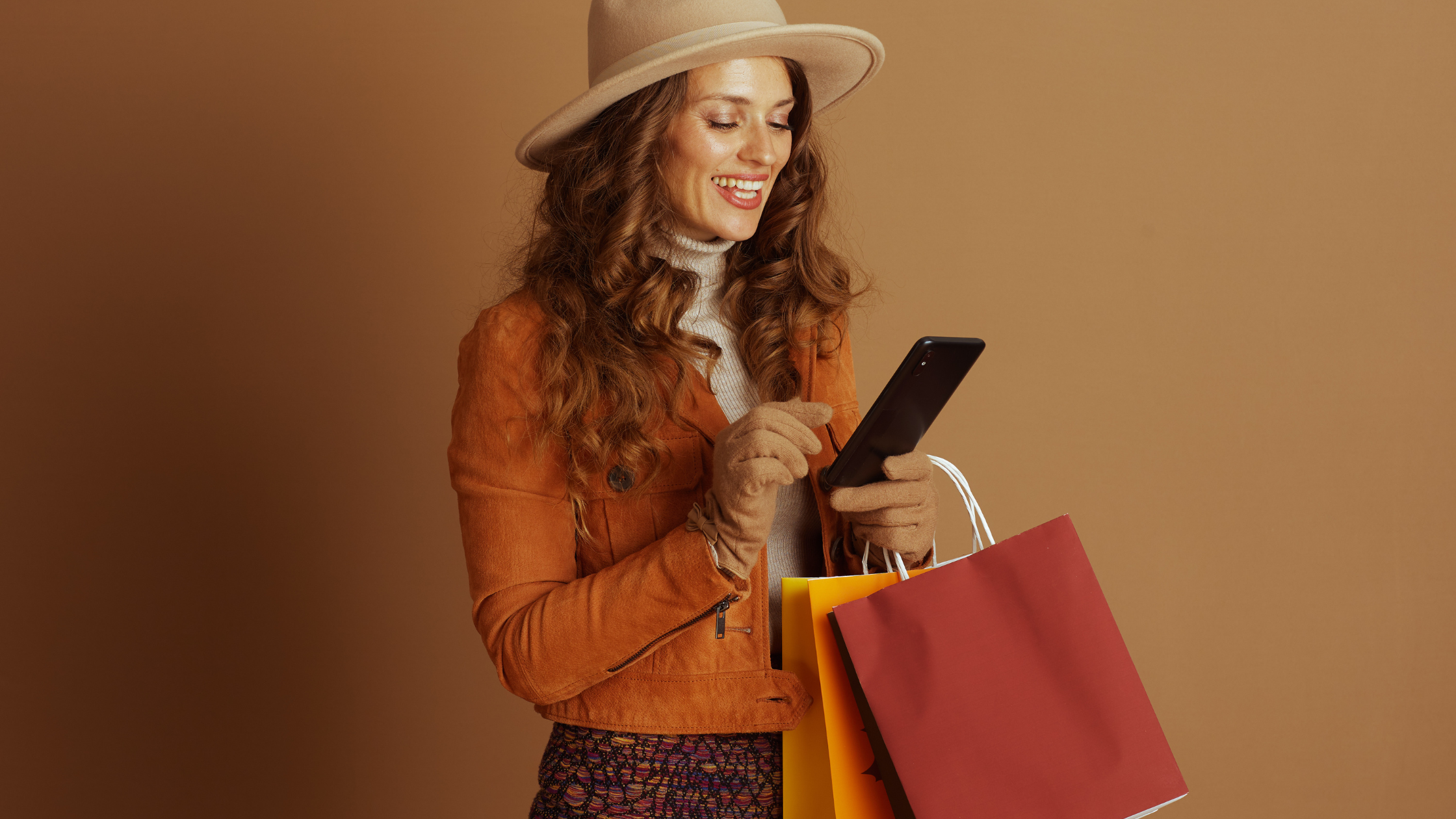
Stylish woman shopping with bags while using smartphone, symbolizing mobile-first brand discovery

Why Decisions Happen So Quickly

The speed of this process is shaped by how much content people are exposed to every day.

HubSpot’s research on consumer behaviour shows that social media now plays a major role in how people research products and services, often before they ever visit a company’s website. The customer journey is no longer linear. Social media is no longer just awareness. It is an evaluation.

People are not taking time to analyze. They are filtering.

They are looking for signals that help them quickly decide whether something feels worth their attention. And underneath that is a more important question driving the decision: does this feel safe to spend money on?

Every purchase carries some level of risk. Your content either reduces that risk or increases it.

If something feels unclear, inconsistent, or inactive, hesitation shows up quickly. And hesitation is often enough for someone to move on.

Why More Content Doesn’t Fix the Problem

When results are slow, many businesses respond by posting more.

But volume does not build trust. Clarity does.

Deloitte Digital’s State of Social research points to this exact challenge. Brands are investing more into social media than ever, but many are still not seeing meaningful results because their content lacks direction, consistency, and clear positioning.

Without those elements, more content simply creates more noise.

What people respond to is coherence. A sense that what they are seeing is intentional and aligned. When content feels scattered, it weakens perception, even if the underlying business is strong.

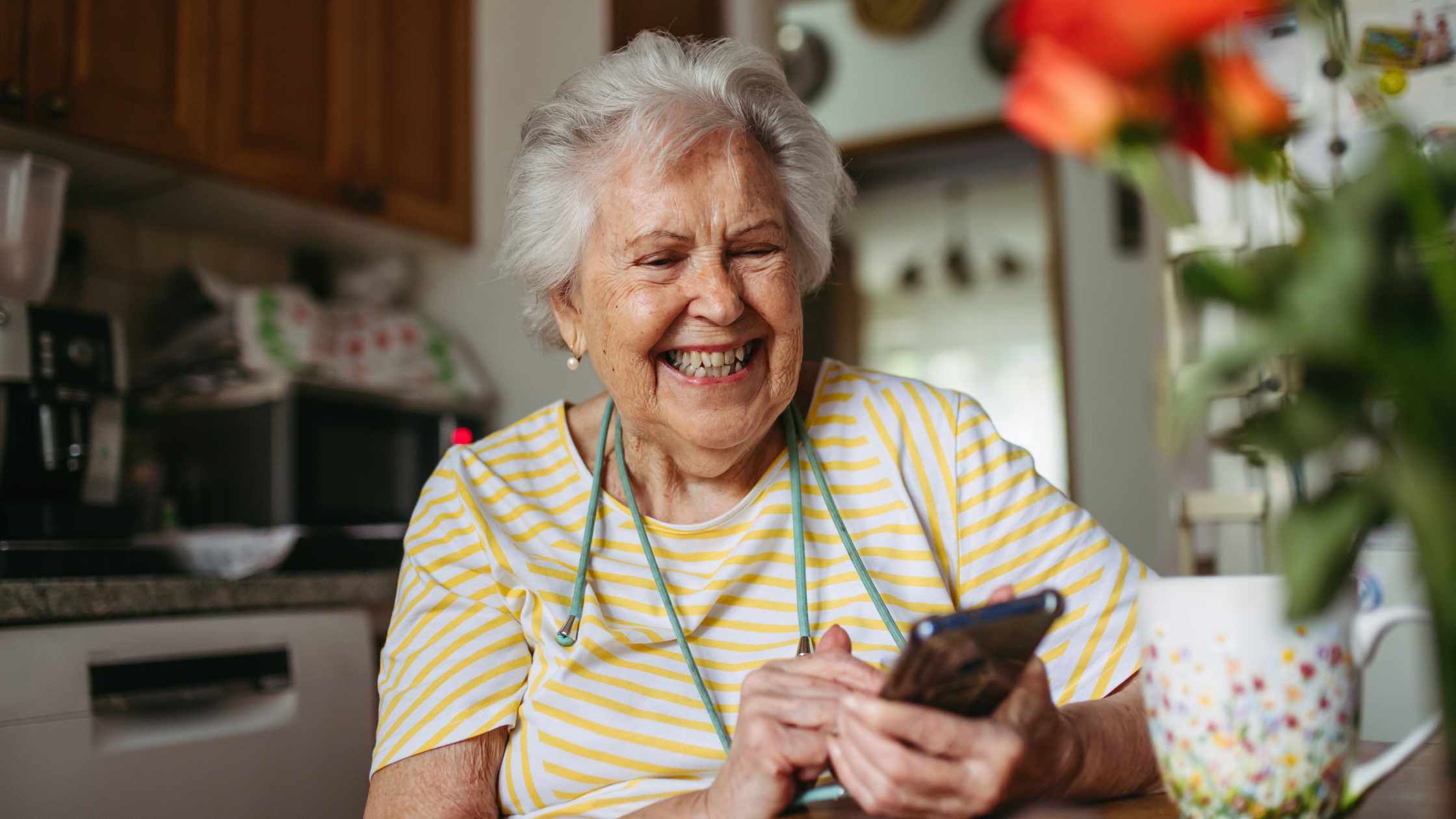
Smiling elderly woman using smartphone in cozy kitchen, representing social media engagement across generations

Where Your Website Fits Now

This shift does not mean your website no longer matters. It means its role has changed.

Instead of being the starting point, it has become the next step.

Social media creates the first impression. The website supports it.

Someone might discover your business through Instagram, TikTok, or LinkedIn, form an initial opinion, and then visit your website to validate what they have already seen or take action.

This behaviour shows up everywhere, even offline. QR codes on packaging, signage, and business cards often lead directly to social profiles, because that is where people expect to see something current.

A website explains your business. Social media confirms it.

And confirmation is what people are looking for before they move forward.

The Gap Most Businesses Don’t See

Many businesses are stronger than their social media makes them appear.

Their work is solid. Their clients are happy. Their results are real. But their content does not reflect that clearly or consistently.

So the perception does not match the reality.

And perception is what people make decisions on.

Pew Research continues to show how central social platforms are in shaping how people form opinions and evaluate information. For businesses, that means your social presence is influencing credibility before a conversation ever happens.

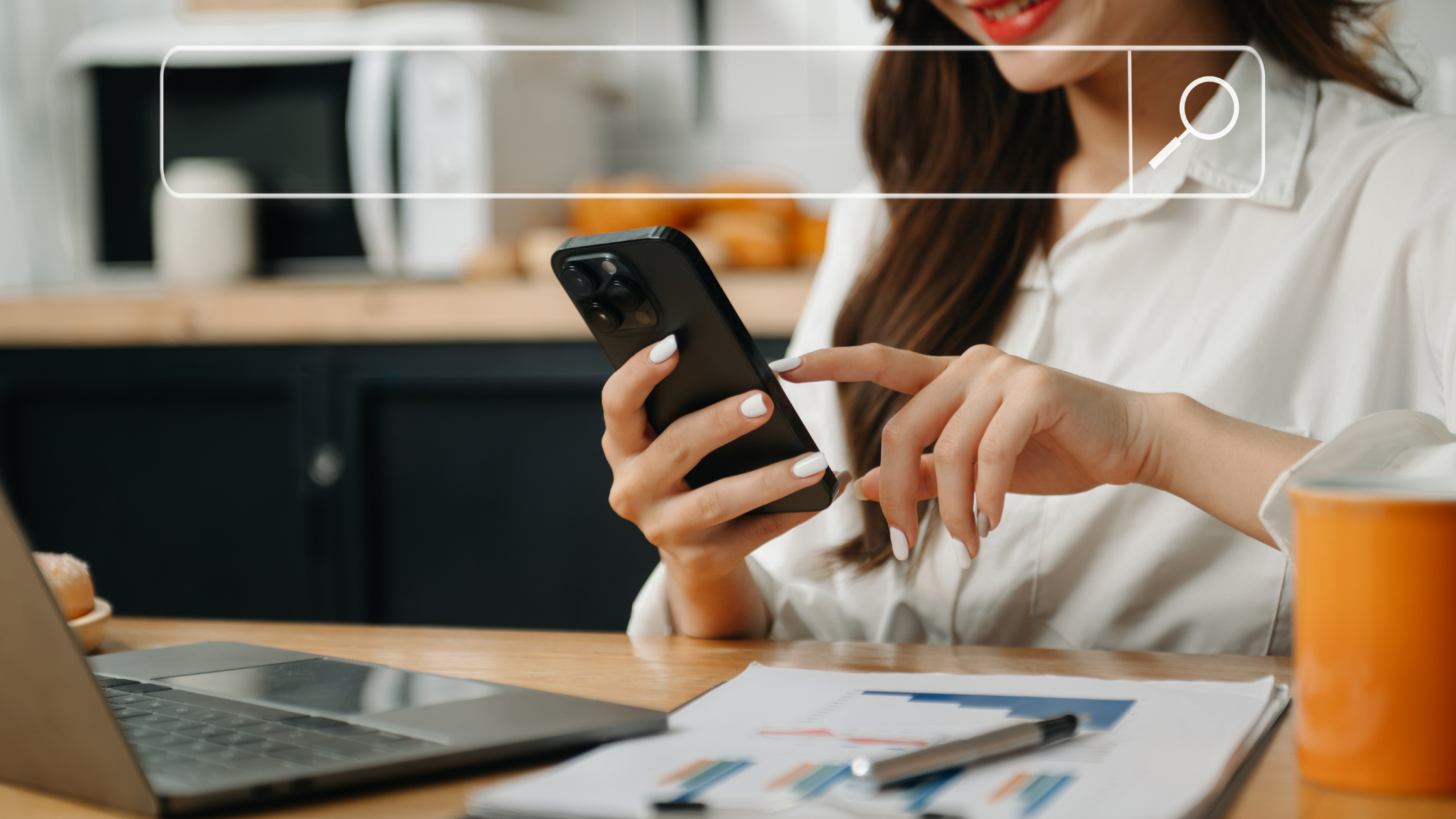
Woman analyzing data on smartphone with laptop and charts, representing social media research and decision-making

What This Means Going Forward

Social media is no longer just a place to stay active.

It is where people decide how they feel about your business.

It is your first impression, your credibility check, and often the reason someone chooses to keep going or move on.

The businesses that stand out are not always the ones doing the most. They are the ones making it easiest for people to understand what they do, trust what they see, and feel confident taking the next step.

If your content is not reflecting the strength of your business, that gap is affecting more than engagement.

It is affecting whether people choose to reach out at all.

Ready to speak with a social media marketing expert?

Call Now Button