Why Social Media Isn’t Working for Most Healthcare Clinics (And What to Do Instead)

If you run a multidisciplinary healthcare clinic and feel frustrated with social media, you are not alone.

Many clinic owners, practice managers, and marketing coordinators come to us with the same story. They have tried posting consistently. They have hired someone to manage their account. Some have experimented with ads.

But nothing seems to move.

Engagement stays low. Appointment bookings do not change. The account feels active but disconnected from real business results.

The reality is that social media absolutely works for healthcare clinics. But it only works when the strategy behind it reflects how patients actually search for information and choose providers.

When social media is approached as a simple posting task instead of a structured education strategy, it rarely performs the way clinics expect.

After working with healthcare providers across North America, we see the same gaps appear again and again.

The Biggest Mistake Healthcare Clinics Make on Social Media

Most clinics treat social media like a flyer board.

The content often focuses on announcements about services, appointment openings, or reminders that the clinic exists.

Posts sound something like this.

We offer physiotherapy.
Book now.

Pelvic health appointments available.
Call the clinic today.

These posts are not technically wrong, but they do not give people a reason to follow the account or interact with it.

Social media platforms reward content that answers questions and solves problems. Healthcare clinics have an enormous advantage here because practitioners spend years learning how to diagnose and treat those problems.

When clinics begin explaining conditions, symptoms, and treatment approaches in everyday language, the content becomes far more valuable to potential patients.

Instead of saying what the clinic offers, strong healthcare social media explains why someone might need that service in the first place.

That shift from promotion to education is often where engagement begins to grow.

Physiotherapist performing knee assessment and rehabilitation treatment on patient

Why Posting Alone Does Not Build a Healthcare Social Media Strategy

Another issue we see frequently is clinics hiring someone to “handle social media,” but the role only includes posting content.

In many cases that person is uploading graphics or scheduling posts without a clear strategy guiding what is being created.

Posting is only one piece of the system.

Strong healthcare social media usually includes several moving parts working together. Educational content planning, video production, community engagement, analytics review, and advertising strategy all play a role.

Without those elements working together, the account may stay active but it rarely builds meaningful traction.

From the outside social media looks simple. Behind the scenes it is much more structured.

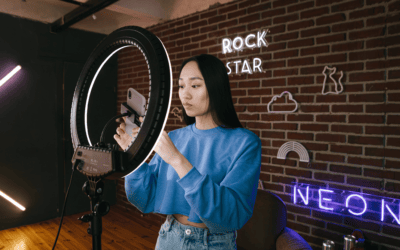
Clinics Often Say They Do Not Have Time to Film Content

This is one of the most common conversations we have with healthcare teams.

Many clinics feel that they do not have time to participate in content creation. The schedule is already full and practitioners are focused on patient care.

The challenge is that healthcare is a human field. Patients want to see the people they may eventually trust with their treatment.

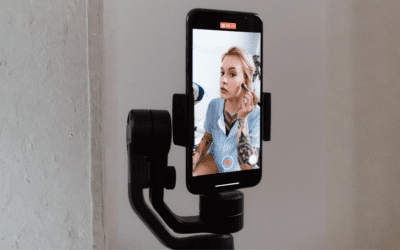
In 2026 social media is very much video driven. While graphics and text posts still have their place, educational video content tends to build the strongest connection with audiences.

The clinics that perform best on social media are the ones that collaborate with their marketing team. Practitioners participate in content creation by sharing their knowledge and answering questions that patients frequently ask in the clinic.

At Monarch we approach this by asking practitioners questions rather than asking them to memorize scripts. The goal is to capture natural conversations about conditions, treatments, and patient concerns.

When practitioners share their expertise in a conversational way, the content becomes both authentic and highly educational.

The Engagement Problem Most Clinics Do Not Realize They Have

Posting content is only half the job.

The other half is community management.

Many healthcare accounts publish content regularly but no one is actively responding to comments or answering direct messages. This creates a major gap in the patient experience.

Patients often use social media to ask quick questions before deciding whether to book an appointment. When those questions go unanswered, the opportunity disappears quickly.

Active engagement shows patients that the clinic is approachable, responsive, and invested in helping people understand their health concerns.

Social media works best when it feels like a conversation rather than a broadcast.
Physiotherapist examining patient’s elbow for pain and mobility issues

Healthcare Content Often Speaks Above the Audience

Healthcare professionals have deep knowledge about anatomy, treatment protocols, and complex conditions.

That expertise is essential, but it can sometimes create a communication gap online.

Practitioners naturally speak using clinical language that patients may not fully understand. When social media content feels overly technical, many people scroll past it.

The strongest healthcare content translates complex medical concepts into everyday language.

It explains what symptoms might mean, what treatment approaches involve, and when someone should consider seeking help.

When clinics simplify their messaging, patients are far more likely to engage with the content and remember the practitioner behind it.

Compliance Does Not Mean Content Has to Be Generic

Healthcare marketing must respect professional guidelines and avoid promising specific outcomes.

However, compliance concerns sometimes lead clinics to create content that feels extremely cautious or vague.

It is entirely possible to create strong educational content while remaining compliant.

Clinics can explain how treatments work, describe common patient experiences, and talk about how they approach certain conditions.

By focusing on education rather than guarantees, clinics can remain professional while still providing meaningful information to their audience.

What Social Media Success Looks Like for Healthcare Clinics

When social media begins working properly, the results tend to appear gradually.

First the clinic experiences increased reach and awareness as educational content begins circulating through the platform.

Next engagement grows. Patients start leaving comments, asking questions, and sharing posts with others who may be experiencing similar issues.

Over time this builds familiarity with the practitioners and their approach to care.

Eventually clinics begin to see the practical outcomes that matter most.

More appointment inquiries begin appearing. Patients arrive at their appointments already informed about their condition. Practitioners start becoming recognized voices in their field.

In some cases people begin searching for practitioners by name because they have already encountered their content online.

This kind of professional visibility is one of the most powerful long term advantages of a well structured healthcare social media strategy.

Healthcare professional assessing patient’s lower back for pain and posture issues

The Clinics That See Results Treat Social Media as a Collaboration

The clinics that succeed on social media almost always share one common trait.

They collaborate.

Practitioners contribute their expertise and participate in the content process. The strategy team translates that expertise into patient friendly content that works on social platforms.

When those two pieces come together, social media becomes much more than a marketing tool.

It becomes an educational resource for the community and a powerful way for healthcare professionals to build trust long before the first appointment.

Work With a Team That Understands Healthcare Social Media

Healthcare clinics require a very different approach to social media than most industries.

Practitioners must balance compliance, patient education, professional credibility, and community engagement all at the same time.

At Monarch Social Media, we specialize in helping healthcare clinics translate their expertise into educational content that patients actually want to watch and share.

If your clinic has been posting consistently but not seeing results, the issue is rarely effort. It is usually strategy.

You can book a free 15 minute discovery call with our team to talk through what is currently happening on your social channels and where the gaps may be.

Frequently Asked Questions About Social Media for Healthcare Clinics

Why isn’t social media working for my clinic?

Social media often struggles when clinics only post service announcements instead of educational content. Lack of community engagement, limited video content, and unclear strategy can also prevent accounts from gaining traction.

Do healthcare clinics need video content?

Video is one of the most effective formats for healthcare social media because it allows patients to see and hear from practitioners directly. Even short educational videos explaining symptoms or treatment approaches can significantly increase engagement.

How long does it take for healthcare social media to work?

Most clinics begin seeing early improvements in reach and engagement within a few months of consistent educational content and community engagement. Appointment inquiries usually increase as trust builds over time.

Should healthcare clinics manage social media internally?

Some clinics assign social media to front desk staff or existing team members. While this can keep accounts active, strong results typically require dedicated strategy, content planning, and ongoing engagement.

Why Social Media Is Your First Impression, Not Your Website Anymore

Why Social Media Is Your First Impression, Not Your Website Anymore

The Way People Discover Businesses Has Changed For a long time, businesses believed their website was their first impression. If someone heard about you, the assumption was simple: they would search your name, land on your homepage, and take the time to understand...

Ready to speak with a social media marketing expert?

Call Now Button